
Why High-Quality Brake Pads Matter for Vehicle Safety and Performance
Introduction
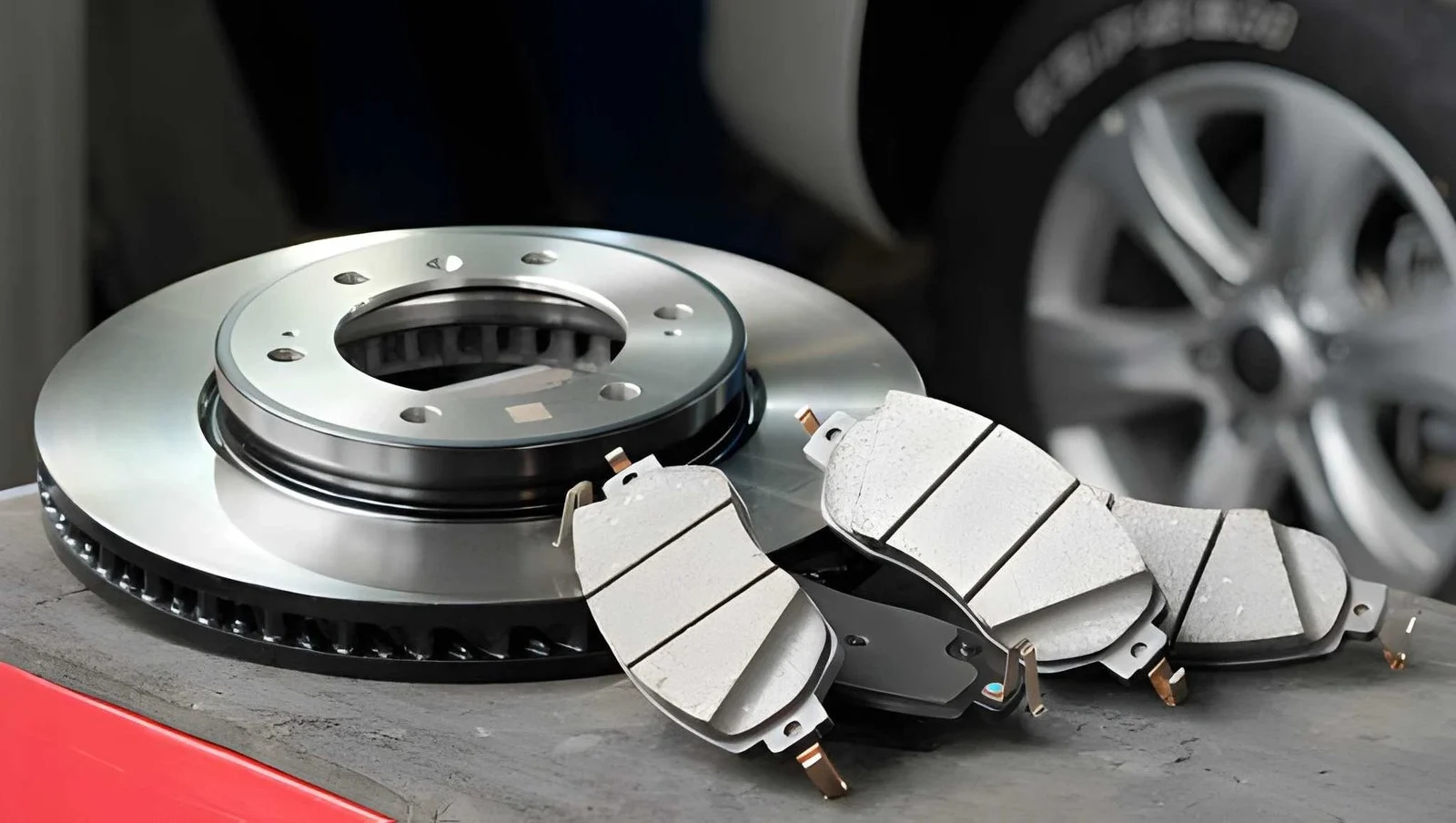
Brake pads are one of the most critical safety components in any vehicle. Whether for passenger cars, SUVs, commercial fleets, or heavy-duty trucks, brake pad quality directly affects stopping distance, driving comfort, rotor lifespan, and overall road safety. As driving conditions become more demanding worldwide, especially in hot climates, urban traffic, and long-distance transportation environments, vehicle owners and distributors are paying greater attention to reliable braking performance.
High-quality brake pads are designed to deliver stable friction performance, strong heat resistance, low noise, and long service life. In contrast, low-quality products often lead to brake fade, excessive wear, rotor damage, and uncomfortable driving experiences. For distributors and workshops, choosing reliable brake pad solutions is not only about cost control, but also about customer safety and long-term reputation.
The Difference Between Premium and Low-Quality Brake Pads
Brake pads operate under constant friction and extreme temperatures. Every time the brake pedal is pressed, the pads convert kinetic energy into heat energy to slow the vehicle. Because of this, brake pads must maintain stable performance under high temperatures, repeated braking, and heavy loads.
Low-quality brake pads often use unstable friction materials that cannot withstand demanding driving conditions. This may cause brake fade during mountain driving, traffic congestion, or commercial transportation. Poor formulations can also create excessive noise, vibration, and brake dust, while overly hard materials may damage brake rotors and increase maintenance costs.
Premium brake pads are engineered differently. Professional manufacturers use advanced ceramic or semi-metallic formulations combined with OE-level production standards to ensure stable braking performance across different temperatures and road conditions. These brake pads provide shorter stopping distances, smoother braking feel, lower noise, improved durability, and better rotor protection.
Modern ceramic brake pads have become increasingly popular because they generate less dust and offer quieter braking performance, making them ideal for passenger vehicles and premium cars. Semi-metallic brake pads remain widely used in commercial vehicles and heavy-duty applications due to their strong braking power and heat dissipation capabilities.
Why Manufacturing Standards and Raw Materials Matter
The performance of brake pads depends heavily on manufacturing technology and raw material quality. Professional brake pad manufacturers follow strict international standards such as ISO/TS16949, SAE J661, SAE J2521, and ECE R90 to ensure stable and safe braking performance.
Advanced production systems help maintain consistent friction coefficients, while laboratory testing verifies heat resistance, wear performance, and durability under extreme operating conditions. Reliable manufacturers also invest in high-quality imported materials such as graphite, aramid fiber, zirconium compounds, and metal sulfides to improve noise reduction, heat stability, and product lifespan.
This combination of advanced materials and strict quality control allows premium brake pads to perform reliably in high-temperature environments such as the Middle East, Africa, Central Asia, and Latin America, where braking systems are exposed to particularly demanding conditions.
Benefits for Distributors and Workshops
For automotive distributors and repair workshops, brake pad quality directly affects customer trust and long-term business growth. Reliable products reduce warranty claims, minimize customer complaints, and improve brand reputation. Workshops also benefit from easier installation, stable performance, and lower return rates.
As the global automotive aftermarket continues moving toward higher-performance and more comfortable driving experiences, demand for premium brake pads continues to increase. Consumers are increasingly willing to invest in safer, quieter, and longer-lasting braking solutions rather than choosing the cheapest available products.
For distributors, partnering with professional OE-level manufacturers provides stronger market competitiveness and more sustainable long-term profitability.
Conclusion
High-quality brake pads play a critical role in vehicle safety, braking stability, and driving comfort. As modern vehicles become more advanced and driving environments more demanding, the importance of reliable braking systems continues to grow.
Professional brake pad manufacturers that combine advanced friction materials, strict quality control, and OE-level production standards can deliver safer, quieter, and more durable braking solutions for global markets. For distributors, workshops, and fleet operators, investing in premium brake pads means improved customer satisfaction, stronger business reputation, and better long-term value.
In today’s automotive industry, choosing the right brake pad is not simply a maintenance decision — it is a commitment to safety, performance, and reliability.
Date
September 9, 2025
Category
Comment
No Responses